Best Neighborhoods to Live in San Diego: La Mesa vs. El Cajon
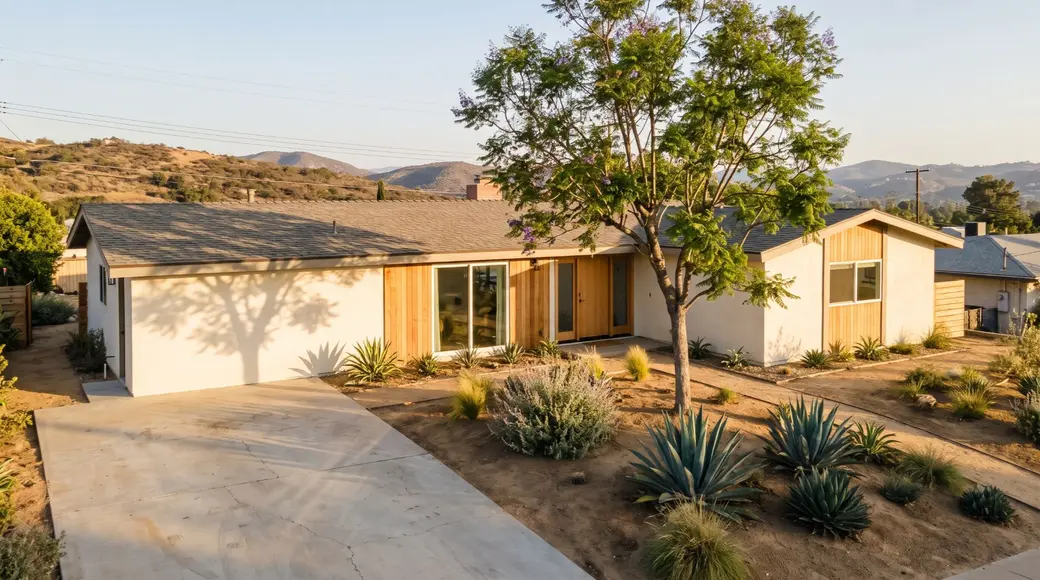
La Mesa and El Cajon share a border, a trolley line and the same stretch of I-8 traffic. But they don't cost the same, and they don't live the same.
Here's the short version. La Mesa usually costs more and gives you a walkable downtown village, four trolley stations and a shorter drive west. El Cajon usually costs less per square foot, gives you more house for the money and runs a few degrees hotter in summer.
I compared them on home prices, price per square foot, the kind of housing you'll find, transit, walkability and the everyday stuff people forget to check, like heat, sales tax and whether an address is even inside city limits. Neither one wins across the board. It comes down to what you're willing to trade...
Quick Answers
Is La Mesa or El Cajon more expensive?
La Mesa. Zillow's typical home value was about $897,000 in La Mesa (data through May 2026) and about $817,000 in El Cajon (data through August 2026). Price per square foot shows it even more clearly: roughly $580 in La Mesa versus about $480 in El Cajon.
Which one has better trolley access?
Both are on the trolley. La Mesa has four stations along the Orange Line (Spring Street, La Mesa Boulevard, Grossmont and Amaya Drive), and Grossmont and Amaya Drive also get the Green Line. El Cajon Transit Center is where the Green and Orange lines end, and the Copper Line runs from there north to Santee.
Is La Mesa more walkable than El Cajon?
It's closer than most people think. Redfin lists El Cajon at a Walk Score of 61 and La Mesa's 91942 ZIP code at 57. La Mesa's real edge is the Village, a compact downtown where you can walk to coffee, dinner and a Friday farmers market.
Is El Cajon hotter than La Mesa?
Usually, by a few degrees. In August 2025, average highs ran about 88°F in La Mesa and about 91°F in El Cajon, based on WeatherAPI's history data for La Mesa and El Cajon. El Cajon sits down in a valley, and summer heat likes to hang out there.
Do La Mesa and El Cajon have different commute times?
Barely. Census data puts the average commute at 24.9 minutes for La Mesa workers and 24.7 minutes for El Cajon workers (2019 to 2023). Your real commute depends on where you're headed and what time you leave.
How I Compared La Mesa and El Cajon
"Best" means different things to different buyers. So instead of picking a winner, I lined both cities up on the factors that actually change your day-to-day life and your budget:
- Price: typical home values, recent median sale prices and price per square foot
- Housing mix: how much is single-family, multifamily or mobile homes
- Transit: which trolley lines stop where
- Walkability: Walk Score data, plus where the walkable pockets actually are
- Ownership details: sales tax, summer heat, airport traffic and city vs. county boundaries
The numbers come from Zillow, Redfin, PropertyShark, the U.S. Census Bureau, the California Department of Tax and Fee Administration and other sources listed at the bottom. Dates are next to every number because the market moves.
One thing I didn't do: rank either city by schools or by who lives there. That's a Fair Housing line I don't cross, and honestly, it's not how you pick a good house anyway. Check school assignments by exact address with the district.
La Mesa vs. El Cajon at a Glance
La Mesa
- Best for: Walkable village life, more trolley stops, a shorter drive west
- Area type: Incorporated city, about 9.1 square miles
- Population (2020 Census): 61,121
- Main ZIP codes: 91941, 91942
- Typical home value: about $897,000 (Zillow, data through May 2026)
- Price per square foot: about $580 (Redfin, 91942, three months through June 2026)
- Housing mix: about 52% single-family, 47% multifamily, 1% mobile homes
- Trolley: Spring Street, La Mesa Boulevard, Grossmont, Amaya Drive
- Distance to downtown San Diego: about 9 miles
- Sales tax: 8.5%
- Main tradeoff: You pay more per square foot, and many homes sit on hills with older systems
El Cajon
- Best for: More square footage per dollar and more entry-level housing types
- Area type: Incorporated city, about 14.5 square miles
- Population (2020 Census): 106,215
- Main ZIP codes: 92019, 92020, 92021
- Typical home value: about $817,000 (Zillow, data through August 2026)
- Median sale price: $758,000 (Redfin, August 2026)
- Price per square foot: about $480 (Redfin, three months through August 2026)
- Housing mix: about 45% single-family, 50% multifamily, 5% mobile homes
- Trolley: El Cajon Transit Center (end of the Green and Orange lines), plus Copper Line stops at Arnele Avenue and Gillespie Field
- Distance to downtown San Diego: about 17 miles
- Sales tax: 8.25%
- Main tradeoff: Hotter summers, a longer drive west and a mix of city and county addresses to sort out
Housing mix figures come from Census American Community Survey data compiled by City-Stats for La Mesa and El Cajon. Population and land area come from Census QuickFacts.
La Mesa: You Pay for the Village and the Trolley
La Mesa makes the most sense if you want a walkable downtown, several trolley stops and a shorter drive into central San Diego, and your budget can handle a higher price per square foot.
Why it fits
La Mesa packs a lot into about 9 square miles. The Village along La Mesa Boulevard has restaurants, coffee, shops and a Friday farmers market. Grossmont Center and the Sharp Grossmont Hospital area sit on the other side of I-8. If you want a feel for daily life, here's my take on what it's really like to live in La Mesa.
Housing options
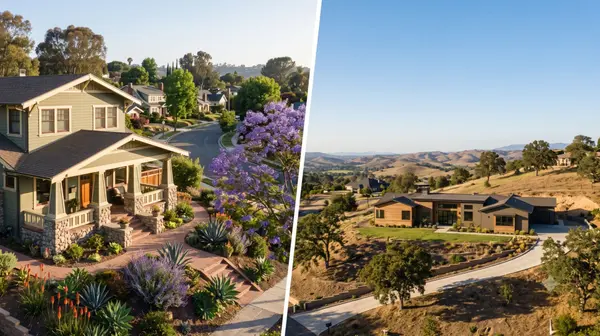
Just over half of La Mesa's homes are single-family, and about 47% are multifamily. That means a decent supply of condos, townhomes and small complexes near the Village and the trolley. You'll also see lots of mid-century houses, plus hillside homes with views, stairs and sometimes retaining walls.
Pricing
Zillow put La Mesa's typical home value at $896,919 (data through May 2026), down 1.1% from a year earlier. PropertyShark's public-records data showed a median sale price of $914,000 in the second quarter of 2026, which was above the San Diego County median of $890,000. Inside La Mesa, the 91942 ZIP code is the more accessible side: Redfin showed a median sale price of $769,826 in June 2026.
Transportation
La Mesa has four trolley stations: Spring Street, La Mesa Boulevard, Grossmont and Amaya Drive. Grossmont and Amaya Drive get both the Orange and Green lines. For drivers, I-8, SR-125 and SR-94 all run through or along the city, and downtown San Diego is about 9 miles west.
Pockets to know
- The Village (91942): The most walkable part of town, with older homes and condos close to restaurants and the trolley.
- Mount Helix (91941): Bigger lots and views. Most of it is unincorporated county, even though the mailing address says La Mesa.
Main tradeoff
Price. You're paying roughly $100 more per square foot than in El Cajon. You'll also run into hills, older plumbing and electrical, and less space for the money. The Village is walkable. Plenty of La Mesa streets aren't.
More on La Mesa: La Mesa homes and neighborhood info and what amenities La Mesa has and how walkable it is.
El Cajon: More House for the Money, With a Few Strings Attached
El Cajon makes the most sense if square footage per dollar matters more to you than a walkable village, and you can live with hotter summers and a longer drive west.
Why it fits
El Cajon is the bigger city, with about 106,000 residents over 14.5 square miles. That size means more homes to choose from and more price points. Downtown El Cajon has its own scene along Main Street: the Prescott Promenade, The Magnolia (a 1,210-seat performing arts venue) and events like the Alley Cat Art Fest.
Housing options
About 45% of El Cajon's homes are single-family and about half are multifamily. About 5% are mobile homes, compared with about 1% in La Mesa. That gives budget-focused buyers an option La Mesa barely has. ATTOM data puts the average El Cajon single-family home at about 1,933 square feet and 51 years old.
Pricing
Redfin showed a median sale price of $758,000 in August 2026, up 4.6% from a year earlier, with 155 homes sold and a median of 23 days on market. Zillow's typical home value was $817,309 (data through August 2026), down 0.5% year over year. In the 92021 ZIP code, Redfin's August 2026 median was $749,676.
Here's where it gets interesting. At about $480 per square foot, El Cajon runs roughly $100 per square foot below La Mesa. On a 1,600-square-foot home, that's about $160,000 on paper. Real homes don't price out that neatly, but it shows why so many La Mesa searches end with a drive one exit east...
Transportation
El Cajon Transit Center is where the Green and Orange trolley lines end. Since September 2024, the Copper Line has run from there north to Arnele Avenue, Gillespie Field and Santee. For drivers, I-8, SR-67, SR-125 and SR-52 are all close by. Downtown San Diego is about 17 miles west. If your commute runs west every day, compare routes in my guide to the best San Diego neighborhoods for commuters.
Pockets to know
- Fletcher Hills: On El Cajon's west side, right next to La Mesa. A good place to compare similar homes on both sides of the city line.
- Downtown El Cajon (92020): Close to Main Street, the Magnolia and the transit center.
- Granite Hills, Bostonia, Crest and Rancho San Diego: These all use El Cajon mailing addresses, but large parts of them are unincorporated county.
Main tradeoff
Heat, distance and homework. El Cajon runs a few degrees hotter, sits farther from the coast and downtown, and has a big mix of housing ages, types and city vs. county addresses. More choice is great. It also means each property needs a closer look.
The Stuff Buyers Forget to Check
These aren't deal-breakers. They're the details that show up after you move in if nobody mentions them first.
1. Your mailing address may not match your city
A La Mesa or El Cajon address doesn't always mean you're inside that city. Mount Helix usually has La Mesa addresses but is mostly unincorporated county (Census counts it as Casa de Oro-Mount Helix). Granite Hills, Bostonia, Crest and Rancho San Diego have El Cajon addresses, and large parts of them sit outside city limits. If you're in the county, the County handles permits and planning, not the city. That matters if you're dreaming about an ADU, a garage conversion or a big remodel.
2. Sales tax is a little different
The sales tax rate is 8.5% in La Mesa and 8.25% in El Cajon. On $10,000 of everyday purchases, that's a $25 difference. Not life-changing. But hey, that's a burrito.
3. Summer heat is real
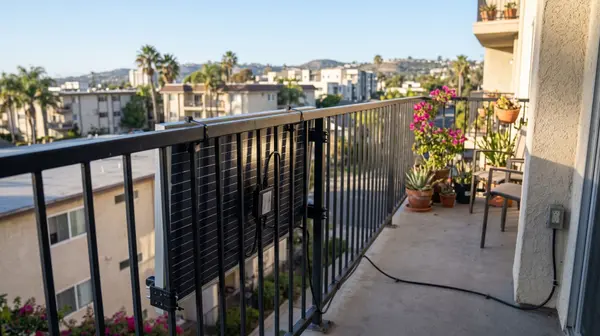
El Cajon tends to run a few degrees warmer than La Mesa in summer. In both cities, central air isn't a luxury. Check the age of the AC unit, the insulation and the window type when you tour. If you're thinking about cutting the power bill, here's what California's plug-and-play solar law means for San Diego and La Mesa.
4. Gillespie Field is in El Cajon
Gillespie Field is a county-owned general aviation airport in El Cajon. It logged about 227,000 takeoffs and landings in 2016, or roughly 622 a day, almost all small planes. If you're looking at a home nearby, stand in the backyard for a while before you write an offer.
5. Verify schools by address
Many La Mesa addresses fall under La Mesa-Spring Valley Schools, and many El Cajon addresses fall under Cajon Valley Union School District. Grossmont Union High School District covers high school for most of both cities. Boundaries change, so confirm every address directly with the district.
6. Condo and townhome HOA dues
Both cities have a lot of multifamily housing, so you'll see plenty of HOA dues. A lower price with a high HOA can cost more each month than a pricier home with none. Here's how HOA fees and Mello-Roos quietly change what a home really costs you in San Diego.
Chris's Take
I've worked East County for 20 years, and La Mesa vs. El Cajon is never as simple as the price tag. The numbers above get you close. Walking the actual homes gets you the rest of the way.
There are really two El Cajons. In the central part of the city, around “The Grid,” the streets are busier and homes sit closer together. When I show clients homes in La Mesa and then head a little farther east, they notice bigger lots and more space between neighbors.
Border areas like Fletcher Hills and Mount Helix sell very differently than the flat, gridded part of El Cajon down in the valley. They sit up in the hills, a lot of homes have views, and prices run much higher. In my experience, resale tends to be stronger there too.
My one free piece of advice: drive both areas at 5 p.m. on a weekday in August with the windows down. You'll learn more about the commute and the heat in 20 minutes than any spreadsheet can tell you. And yes, I realize I just told you to skip the AC in August. I'm a Realtor, not a doctor...
Which One Fits Your Priorities?
Choose La Mesa if...
- You want to walk to coffee, dinner and a farmers market
- You want more trolley stations to choose from
- You commute west toward SDSU, Mission Valley or downtown
- You're open to a condo or townhome near the Village or the trolley
- You're OK paying more per square foot for location
Choose El Cajon if...
- Square footage per dollar is your top priority
- You're open to an older single-story home or a mobile home to get in the door
- You like being at the start of the Green and Orange trolley lines
- You commute north or east on SR-67, SR-52 or toward Santee
- Summer heat doesn't scare you (or your AC)
Still stuck? Look at the border
The areas where La Mesa and El Cajon meet, like Fletcher Hills and the streets around Grossmont, let you compare similar homes with different city rules and different price tags. Sometimes the right answer is one block over. If Spring Valley is also on your list, read my La Mesa vs. Spring Valley comparison.
FAQ: La Mesa vs. El Cajon
How much more house can I get in El Cajon for the same budget?
It depends on the street, but price per square foot is the quickest way to see it. Recent data shows about $480 per square foot in El Cajon and about $580 in La Mesa's 91942 ZIP code. On a 1,600-square-foot home, that $100 gap works out to roughly $160,000 on paper.
Which is closer to downtown San Diego, La Mesa or El Cajon?
La Mesa. It sits about 9 miles east of downtown San Diego, while El Cajon is about 17 miles east. Both connect to downtown by I-8 and the trolley, but La Mesa saves you some miles every trip.
Is Mount Helix in the City of La Mesa?
Mostly no. Mount Helix homes usually have La Mesa mailing addresses, but most of the area is unincorporated San Diego County, which the Census counts as Casa de Oro-Mount Helix. That means the County, not the City of La Mesa, handles things like permits and planning.
Are Rancho San Diego, Granite Hills and Bostonia part of El Cajon?
They use El Cajon mailing addresses, but large parts of them sit outside El Cajon city limits in unincorporated San Diego County. Always check whether a specific address is inside the city before you count on city services or city rules.
Does El Cajon have mobile homes for sale?
Yes. About 5% of El Cajon's housing units are mobile homes, compared with about 1% in La Mesa, based on Census survey data. They can lower your entry price, but many sit in parks with monthly space rent, so read the park rules and rent history before you fall in love.
Which ZIP codes cover La Mesa and El Cajon?
La Mesa homes are mostly in 91941 and 91942. El Cajon homes are in 92019, 92020 and 92021. Several of those ZIP codes also include unincorporated county areas, so the ZIP code alone won't tell you which city you're in.
What school districts serve La Mesa and El Cajon?
Many La Mesa addresses fall under La Mesa-Spring Valley Schools, and many El Cajon addresses fall under Cajon Valley Union School District. Grossmont Union High School District covers high school for most of both cities. Boundaries change, so verify every address directly with the district.
Is the sales tax different in La Mesa and El Cajon?
Slightly. The rate is 8.5% in La Mesa and 8.25% in El Cajon, according to the California Department of Tax and Fee Administration. On $10,000 of everyday purchases, that's a $25 difference.
Should I buy in La Mesa or El Cajon?
Pick La Mesa if walkability, more trolley stations and a shorter drive west are worth a higher price per square foot. Pick El Cajon if you want more space for the money and can live with hotter summers and a longer drive west. Compare actual homes on both sides of the border before you decide.
Torn Between La Mesa and El Cajon?
If you're going back and forth between these two, send me a message. Tell me your budget, your commute, how much heat you can stand and whether "walk to dinner" is a must-have or a nice-to-have. I'll pull recent sales on both sides of the line, and we'll figure out which one actually fits. Reach out here.
 About Chris Melingonis - The Realtor Dad
Chris Melingonis, also known as The Realtor Dad, is a La Mesa and San Diego real estate agent with over 20 years of experience helping buyers and sellers throughout La Mesa, San Diego, and surrounding East County communities. He has earned more than 30 five-star client reviews across Google and Zillow and writes about local real estate, neighborhoods, home values, buying, selling, and San Diego housing trends.
Sources & Data
Third-party data is listed below. The price-per-square-foot comparison and the "$160,000 on paper" math are my own analysis of those numbers.
- Zillow: El Cajon home values: typical home value $817,309, data through August 31, 2026
- Zillow: La Mesa home values: typical home value $896,919, data through May 31, 2026
- Redfin: El Cajon housing market: August 2026 median sale price, price per square foot, days on market, Walk Score
- Redfin: 91942 housing market: June 2026 median sale price, price per square foot, Walk Score
- Redfin: 92021 housing market: August 2026 median sale price
- PropertyShark: La Mesa market trends: Q2 2026 median sale price and San Diego County median
- U.S. Census Bureau QuickFacts: El Cajon and La Mesa: population, land area, commute times, Casa de Oro-Mount Helix
- City-Stats: La Mesa housing and El Cajon housing: housing type mix from Census ACS 2023
- ATTOM: El Cajon property data: average single-family home size and age
- CDTFA sales and use tax rates: La Mesa 8.5%, El Cajon 8.25%
- San Diego Trolley Orange Line and Arnele Avenue station: station list and the September 29, 2024 Copper Line change
- WeatherAPI: La Mesa August history and El Cajon August history: August 2025 average highs
- Gillespie Field: county-owned general aviation airport, 2016 operations
- Granite Hills and Bostonia: unincorporated areas with El Cajon mailing addresses
- La Mesa, California and El Cajon, California: distance from downtown San Diego, neighborhoods
- The Magnolia history and Alley Cat Art Fest: downtown El Cajon venues and events
Recent Posts